

OUR VALUABLE CUSTOMERS


FEATURED PRODUCTS
-
1KG ABC Dry Chemical Powder Fire Extinguisher – Multipurpose Use for Home, Office & Vehicles1
Regular price Rs.2,000.00 PKRRegular priceUnit price perRs.2,100.00 PKRSale price Rs.2,000.00 PKRSale -
25KG CO₂ Trolley Fire Extinguisher – Industrial Grade for Electrical & Flammable Liquid Fires
Regular price Rs.38,000.00 PKRRegular priceUnit price perRs.39,500.00 PKRSale price Rs.38,000.00 PKRSale -

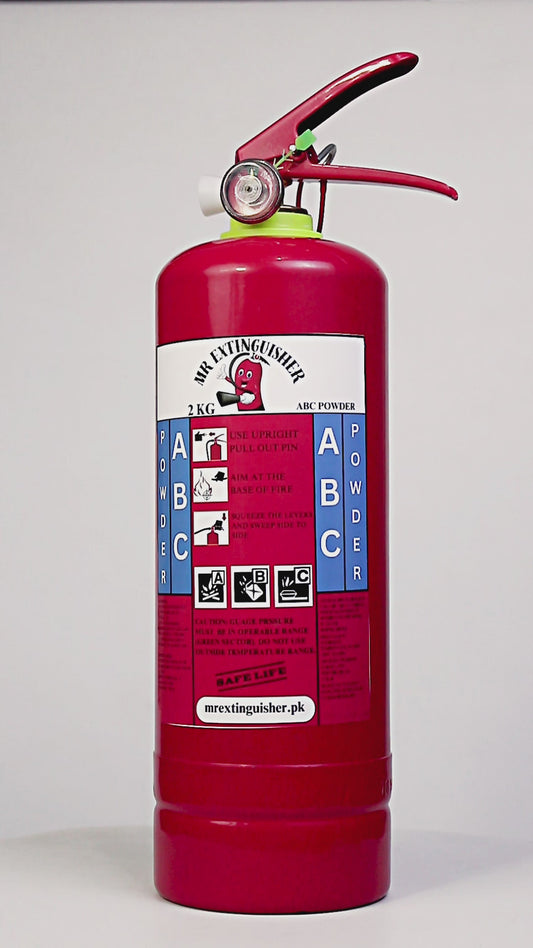
2KG ABC Dry Chemical Powder Fire Extinguisher – Multipurpose Use for Home, Office & Solar Inverter
Regular price Rs.2,900.00 PKRRegular priceUnit price perRs.3,200.00 PKRSale price Rs.2,900.00 PKRSale -
3KG CO₂ Fire Extinguisher – Residue-Free Protection for Electrical & Flammable Liquid Fires
Regular price Rs.8,500.00 PKRRegular priceUnit price perRs.9,800.00 PKRSale price Rs.8,500.00 PKRSale -

4KG ABC Dry Chemical Powder Fire Extinguisher – Multi-Purpose Protection for Home, Office & Vehicles
Regular price Rs.4,550.00 PKRRegular priceUnit price perRs.5,200.00 PKRSale price Rs.4,550.00 PKRSale -
50KG ABC Dry Chemical Powder (DCP) Trolley Fire Extinguisher – Industrial Fire Protection
Regular price Rs.21,000.00 PKRRegular priceUnit price perRs.23,000.00 PKRSale price Rs.21,000.00 PKRSale -
5KG CO₂ Fire Extinguisher – Safe for Electrical & Flammable Liquid Fires | Clean Agent
Regular price Rs.12,400.00 PKRRegular priceUnit price perRs.13,400.00 PKRSale price Rs.12,400.00 PKRSale -
6KG ABC Dry Chemical Powder Fire Extinguisher – Multi-Purpose Protection for Home, Office & Vehicles
Regular price Rs.5,550.00 PKRRegular priceUnit price perRs.6,200.00 PKRSale price Rs.5,550.00 PKRSale -
9L AFFF Foam Fire Extinguisher – Class A & B Fire Protection for Offices, Shops, Homes
Regular price Rs.4,800.00 PKRRegular priceUnit price perRs.5,200.00 PKRSale price Rs.4,800.00 PKRSale -
AFFF FOAM TROLLEY 50 KG
Regular price Rs.19,000.00 PKRRegular priceUnit price perRs.19,500.00 PKRSale price Rs.19,000.00 PKRSale -
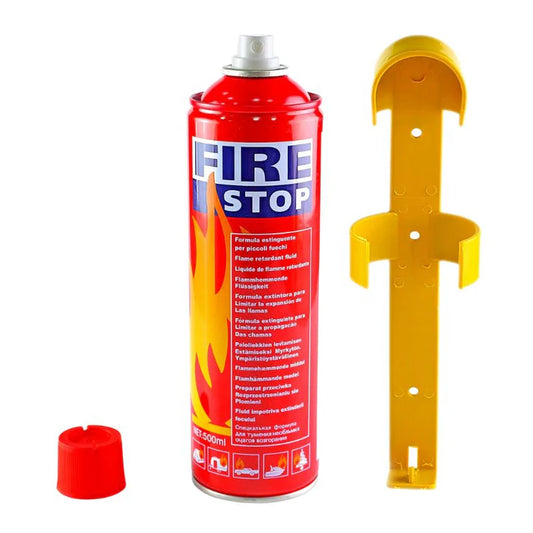
Car Fire Extinguisher Spray Instant Protection For Your Car Engine 🔥
Regular price Rs.1,000.00 PKRRegular priceUnit price perRs.900.00 PKRSale price Rs.1,000.00 PKR -

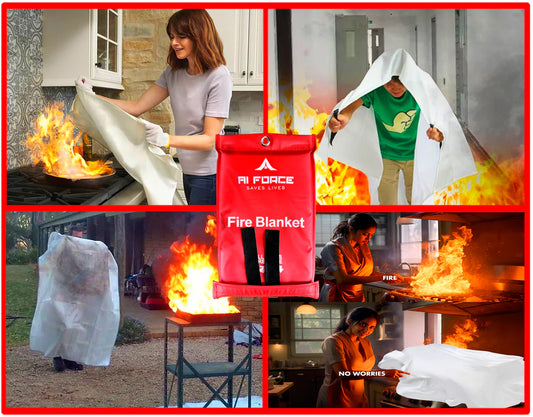
High-Quality China Imported Fire Blanket – Instant Protection For Home & Kitchen Fire Emergencies.
Regular price Rs.2,550.00 PKRRegular priceUnit price perRs.3,200.00 PKRSale price Rs.2,550.00 PKRSale -
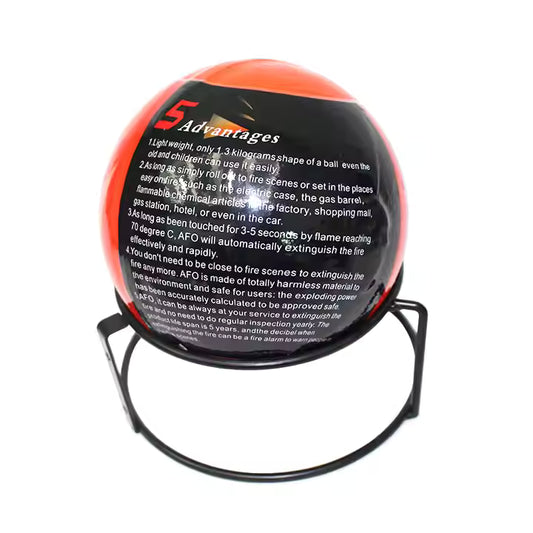
🔥 Fire Ball – Automatic Fire Extinguisher Instant Protection. Zero Hassle. Total Peace of Mind.The Fire Ball Is The Fastest And Easiest Way To Fight Fire – Automatically
Regular price Rs.2,300.00 PKRRegular priceUnit price perRs.2,500.00 PKRSale price Rs.2,300.00 PKRSale





DRY CHEMICAL POWDER TYPE FIRE EXTINGUISHERS
[12:09 AM, 7/6/2025] Bis Sis Se Zong: ABC Dry Chemical Powder – Technical Details & Specifications
🧪 Chemical Composition:
Primary Ingredient: Monoammonium Phosphate (NH₄H₂PO₄)
Secondary Ingredients (optional): Ammonium sulfate, flow conditioners, moisture absorbers
Color: Pale yellow or off-white
Appearance: Fine, free-flowing dry powder
Odor: Odorless
pH Range: 4.0 – 5.5 (slightly acidic)
Bulk Density: 0.85 to 0.95 g/cm³
Fire Classification Efficiency:
✅ Class A (Solids): Forms a coating on burning materials like wood, paper, textiles
✅ Class B (Liquids): Breaks the chemical chain reaction of flammable liquids
✅ Class C (Electrical): Non-conductive, safe for electrical fires
[12:10 AM, 7/6/2025] Bis Sis Se Zong: Physical & Technical Properties:
Property Specification
Melting Point ~190°C (decomposes, does not melt cleanly)
Solubility in Water Slightly soluble
Hygroscopicity Low (contains anti-caking agents)
Conductivity Non-conductive – suitable for electrical fires
Moisture Content < 0.25% (w/w)
Particle Size 90% passing through 150 micron sieve
Flowability Excellent (due to flow conditioning additives)
Corrosiveness Mildly corrosive to metals if not cleaned
Toxicity Low – Generally safe, but not for inhalation
Standards & Certifications:
Compliant with international fire standards:
UL 299, UL 711
NFPA 10
ISO 9001 certified manufacturing
May also meet PSI or local civil defense approvals

CO2 TYPE FIRE EXTINGUISHERS
What is CO₂ Gas?
Carbon Dioxide (CO₂) is a colorless, odorless, and non-flammable gas that is widely used as a clean agent for fire suppression, especially for Class B and Class C fires (flammable liquids and electrical fires).
🔥 Fire Suppression Function:
CO₂ suppresses fire primarily by displacing oxygen (which fire needs to burn).
It also cools the burning surface due to rapid gas expansion (dry ice effect).
Leaves no residue – ideal for sensitive electronics, server rooms, electrical panels.
⚙️ Technical Specifications of CO₂ Gas
Property Specification
Chemical Formula CO₂
Molecular Weight 44.01 g/mol
CAS Number 124-38-9
Appearance Colorless gas (may appear as white fog when discharged)
Odor Odorless
Taste Slightly acidic taste
Density (Gas) 1.98 kg/m³ at 0°C (heavier than air)
Boiling Point -78.5°C (sublimates from solid to gas)
Critical Temperature 31.0°C
Critical Pressure 73.8 bar
Working Pressure (at 21°C) ~55–60 bar (in extinguishers or cylinders)
Vapor Pressure (at 20°C) ~57 bar
Solubility in Water 1.45 g/L at 25°C
Expansion Ratio 1 volume liquid = ~535 volumes gas
Purity for Fire Use ≥ 99.9% (industrial/fire grade)
🚫 Safety and Hazards:
Aspect Details
Flammability Non-flammable
Toxicity Non-toxic at low concentrations, but asphyxiant at high levels (displaces oxygen)
Health Risks Dizziness, unconsciousness, or death in confined spaces
Handling Use with proper ventilation; wear gloves during cylinder handling
Storage Store in upright position, in cool, dry, well-ventilated area away from direct sunlight
Discharge Sound Very loud (high-pressure release)
Corrosiveness Non-corrosive; does not leave residue
📦 Typical Packaging:
CO₂ Cylinders Sizes: 2 kg, 5 kg, 6 kg, 10 kg, 22.5 kg, 45 kg
Material: Seamless steel or aluminum alloy cylinders
Valve Type: Squeeze grip / wheel-type brass valve (with or without discharge horn)
Filling Ratio: ~0.67 kg/L (liquid CO₂ per cylinder volume)
✅ Standards & Compliance:
Conforms to:
ISO 9809 (Gas Cylinders – Design)
EN 3 / BS EN 3 (for extinguishers)
UL, FM (if US-certified)
Local standards (e.g., PSI, Civil Defence, etc.)

AFFF FOAM TYPE FIRE EXTINGUISHERS
AFFF Foam – Aqueous Film Forming Foam
🌊 What is AFFF Foam?
AFFF (Aqueous Film Forming Foam) is a water-based fire suppression agent that forms a thin, air-excluding film on the surface of flammable liquids, helping to smother the fire and prevent re-ignition. It is mainly used for Class B fires (flammable liquids) and also helps in cooling Class A fires (ordinary combustibles).
⚙️ Technical Specifications of AFFF Foam
Property Specification
Chemical Type Synthetic surfactant-based foam concentrate
Main Ingredients Fluorinated surfactants, hydrocarbons, solvents, corrosion inhibitors
Appearance Clear to pale yellow liquid
Odor Mild detergent-like
pH Value 6.5 – 8.5
Specific Gravity 1.00 – 1.02 @ 20°C
Viscosity Low, similar to water (~5-15 cP)
Surface Tension ≤ 18–20 dynes/cm (helps form film over hydrocarbons)
Expansion Ratio 5:1 to 20:1 depending on nozzle/foam equipment
Recommended Proportion Typically 3% or 6% (mixed with water)
Freezing Point ~-10°C to -15°C (depending on formulation)
Storage Temperature 0°C to +49°C (do not freeze)
Shelf Life 5 to 10 years (in sealed original containers)
Toxicity Low – but environmental care required (fluorosurfactants)
Biodegradability Partial (fluorinated types less biodegradable than fluorine-free foams)
🔥 Fire Classification Efficiency:
Class Fire Type Effectiveness
A Ordinary combustibles (wood, paper) Good – cools and coats material
B Flammable liquids (petrol, diesel) Excellent – forms sealing film
C Electrical fires ❌ Not suitable
🛠️ How AFFF Works:
Forms a foam blanket that separates fuel from air (oxygen).
Produces a thin aqueous film that spreads rapidly across fuel surfaces.
Cools the fuel and surrounding surfaces to suppress reignition.
Reduces vapor release from flammable liquids.
📦 Packaging & Usage:
Available in: 20L, 30L, 200L drums or IBC 1000L tanks
Stored and used through foam proportioning systems, extinguishers, or foam tanks
Applied using:
Foam nozzles
Foam monitors
Bladder tanks
Portable extinguishers (AFFF-type)
✅ Standards & Certifications:
Conforms to:
EN 1568 (performance for fire extinguishing media)
UL 162
NFPA 11 / 16
IMO / ICAO (for marine/aviation use)
PSI / Civil Defence Approved (Pakistan)